 delishing
How to Cook Italian Sausage on the Stove: A Culinary Guide

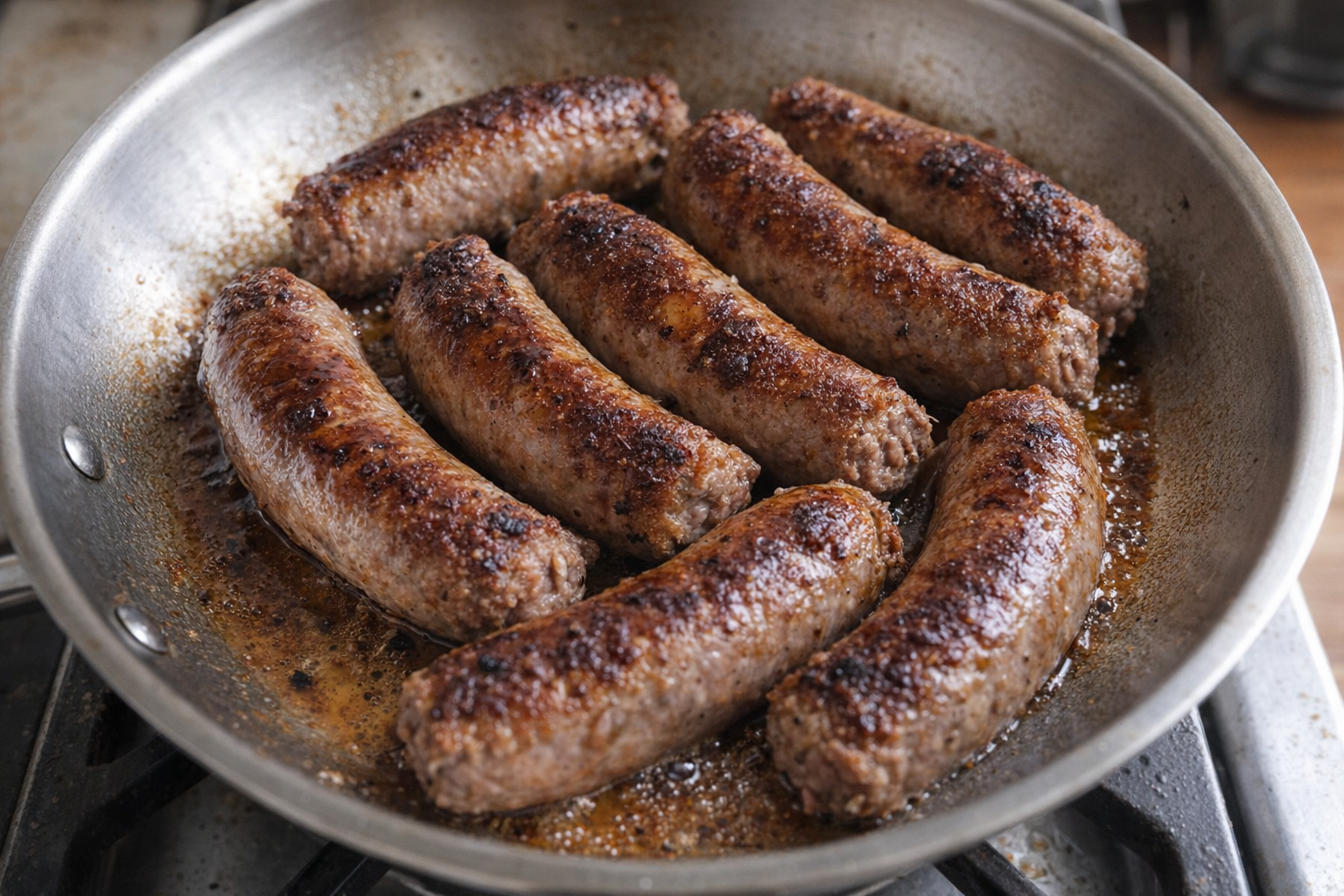
Italian sausage, with its distinctive blend of savory pork and aromatic spices, offers a versatile base for countless dishes. Cooking it on the stovetop is a simple yet effective method to achieve a beautifully browned exterior and juicy interior. Whether you prefer sweet, hot, or mild varieties, mastering this technique unlocks a world of culinary possibilities. From pasta sauces to hearty stews, perfectly cooked Italian sausage elevates any meal.
This guide explores the fundamentals of cooking Italian sausage on the stove, providing detailed instructions and expert tips to ensure optimal flavor and texture. We'll delve into the nuances of sausage selection, preparation, and cooking techniques, equipping you with the knowledge to confidently create delicious and satisfying meals.
Understanding Italian Sausage
Italian sausage comes in several variations, primarily distinguished by their seasoning. Sweet Italian sausage features fennel and anise, offering a subtly sweet and aromatic profile. Hot Italian sausage includes red pepper flakes for a spicy kick. Mild Italian sausage provides a more neutral flavor, allowing other ingredients in your dish to shine. When purchasing Italian sausage, look for plump, firm links with a vibrant color. Avoid sausages that appear slimy or discolored. Fresh sausage is typically sold raw, while pre-cooked varieties are also available, though for the best results, we recommend starting with raw sausage.
Why Cook Italian Sausage This Way?
- Versatility: Cooked sausage can be used in pasta sauces, pizzas, sandwiches, soups, stews, and more.
- Flavor: Stovetop cooking allows the sausage to develop a rich, browned flavor that enhances its inherent savory notes.
- Convenience: This method is quick and easy, making it ideal for weeknight meals.
Preparation (Mise en Place)
Before you begin, ensure your sausage is properly thawed if frozen. Place the frozen sausage in the refrigerator overnight. If you're short on time, you can thaw it in cold water, changing the water every 30 minutes, until thawed. Pat the sausage dry with paper towels before cooking to promote browning.
Essential Tools
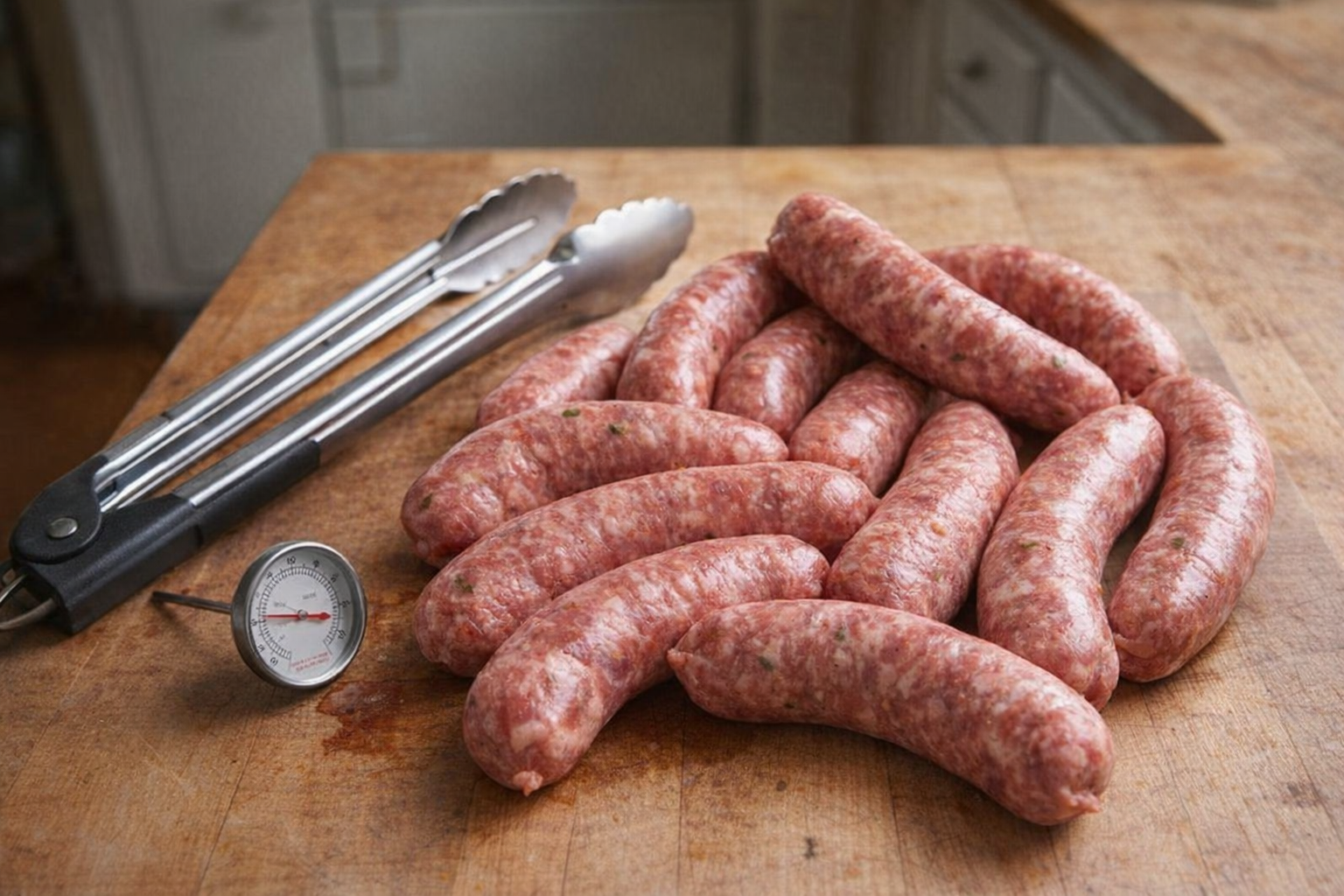
- Skillet: A heavy-bottomed skillet, such as cast iron or stainless steel, is ideal for even heat distribution and browning. A non-stick skillet can also be used, but it may not achieve the same level of browning.
- Tongs: For turning the sausage and transferring it from the skillet.
- Meat Thermometer: To ensure the sausage reaches a safe internal temperature.
The Cooking Method(s)
We'll explore two effective stovetop cooking methods: simmering followed by browning and direct pan-frying. Each method offers slightly different results, catering to various preferences and culinary applications.
Method 1: Simmering and Browning
This method gently cooks the sausage through before browning, resulting in a juicy and evenly cooked product.
Ingredients:
- 1 pound (450g) Italian sausage links (sweet, hot, or mild)
- 1/2 cup (120ml) water
- Place the sausage links in a skillet and add water. The water should reach about halfway up the sides of the sausages.
- Bring the water to a simmer over medium heat. Cover the skillet and let the sausage simmer for 10-15 minutes, or until the internal temperature reaches 140°F (60°C). The sausages will plump up and become firm.
- Remove the lid and drain any remaining water from the skillet. Increase the heat to medium-high and continue cooking the sausage, turning occasionally, until browned on all sides. This should take about 5-7 minutes. The sizzle of the sausage as it browns will intensify, and the aroma will become richer.
- Use a meat thermometer to ensure the sausage reaches an internal temperature of 160°F (71°C) before serving.
Method 2: Direct Pan-Frying
This method allows for quicker browning and a more intense flavor development.
Ingredients:
- 1 pound (450g) Italian sausage links (sweet, hot, or mild)
- 1 tablespoon olive oil (optional, if the sausage is lean)
- If using, add olive oil to the skillet and heat over medium heat.
- Place the sausage links in the skillet, ensuring they are not overcrowded. Overcrowding can lower the pan temperature and prevent proper browning.
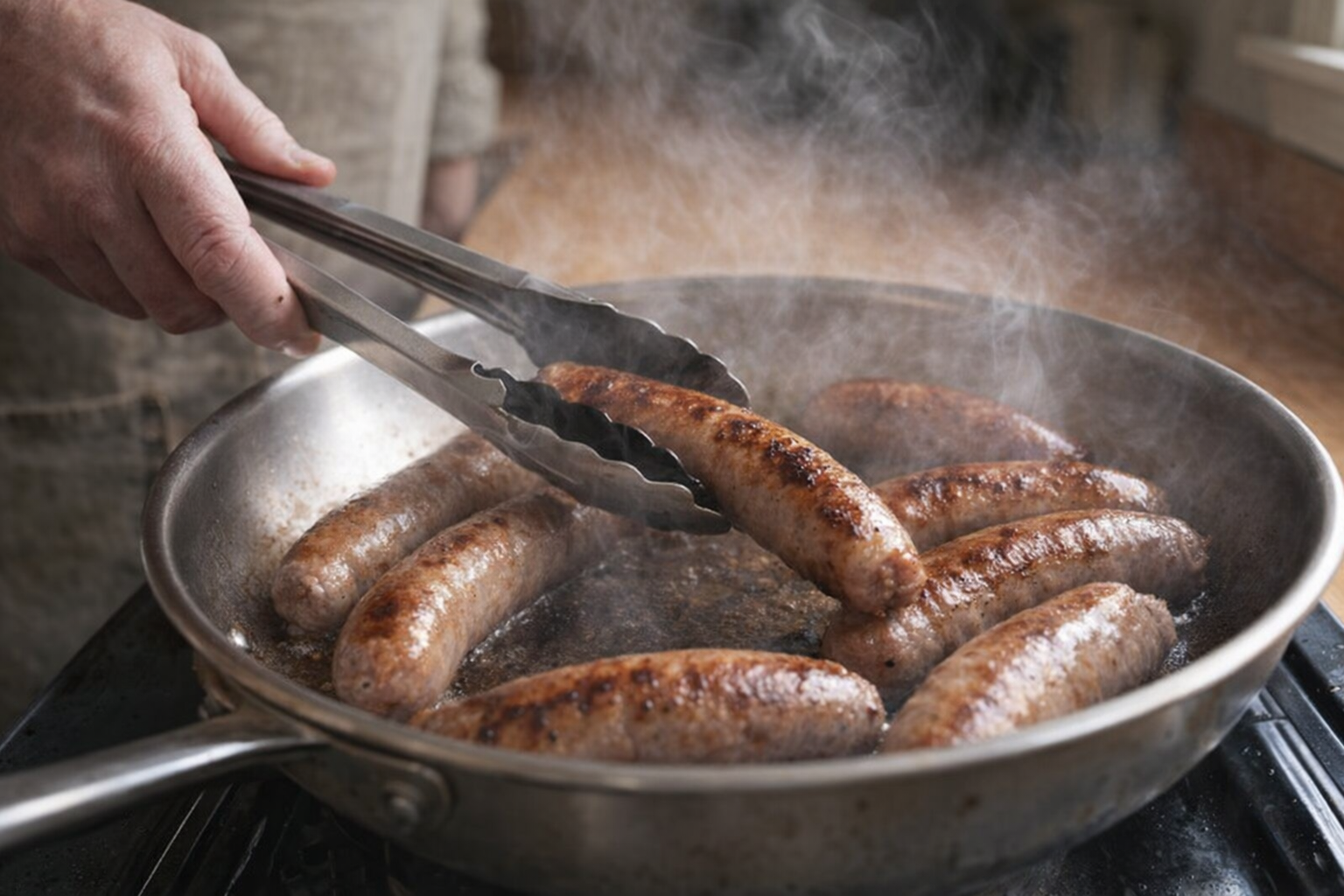
- Cook the sausage, turning occasionally, until browned on all sides and cooked through. This should take about 15-20 minutes. Listen for the satisfying sizzle as the sausage fat renders and browns the exterior.
- Use a meat thermometer to ensure the sausage reaches an internal temperature of 160°F (71°C) before serving.
Cooking Time & Doneness Guide
- Simmering & Browning: Simmer for 10-15 minutes, then brown for 5-7 minutes.
- Direct Pan-Frying: Cook for 15-20 minutes.
- Internal Temperature: 160°F (71°C).
Visual Cues
The sausage should be firm to the touch and evenly browned on all sides. When pierced with a fork, the juices should run clear, not pink.
Tips for Perfection
- Don't overcrowd the pan: Cook the sausage in batches if necessary to ensure proper browning.
- Use medium heat: Cooking over high heat can cause the sausage to burn on the outside before it's cooked through.
- Turn frequently: This ensures even browning and prevents sticking.
- Use a meat thermometer: This is the most accurate way to ensure the sausage is fully cooked.
Storage & Reheating
Cooked Italian sausage can be stored in the refrigerator for up to 3-4 days. To reheat, pan-fry the sausage over medium heat until heated through, or microwave for 1-2 minutes. For optimal texture, avoid over-microwaving.
Serving Suggestions
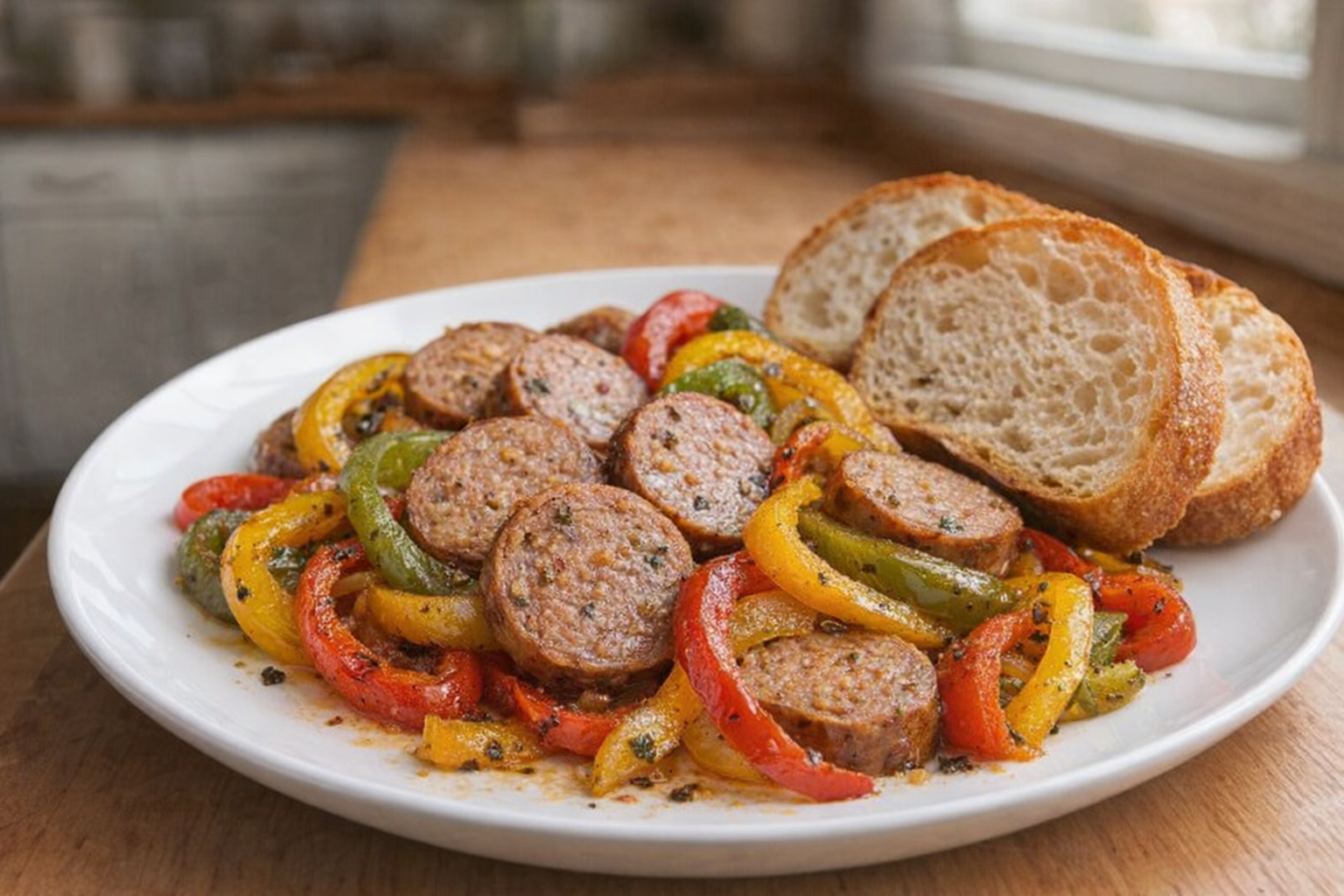
- Sausage and Peppers: Sauté sliced bell peppers and onions with the cooked sausage for a classic Italian-American dish.
- Sausage Pasta: Add sliced sausage to your favorite pasta sauce and serve over pasta.
- Sausage Pizza: Use sliced sausage as a topping for homemade or store-bought pizza.
- Sausage Sandwich: Serve the sausage on a toasted bun with your favorite toppings, such as peppers, onions, and mustard.
Frequently Asked Questions
Sausage casings often split due to high heat or rapid temperature changes. Try using medium-low heat and consider gently pricking the sausages with a fork before cooking to allow steam to escape, preventing them from bursting.
Yes, you can use pre-cooked Italian sausage. Since it's already cooked, the goal is just to heat it through and brown the exterior, so reduce the cooking time significantly. Aim for about 10-15 minutes, turning frequently until heated through and nicely browned.
Allow the cooked sausage to cool completely, then store it in an airtight container in the refrigerator. It will keep for 3-4 days. You can also freeze cooked sausage for longer storage; wrap it tightly in plastic wrap and then place it in a freezer bag, where it can last for 2-3 months.
If you don't have a meat thermometer, you can check for doneness by cutting into the thickest part of a sausage link. The juices should run clear, not pink, and the inside should be opaque, not translucent. However, a meat thermometer is the most reliable way to ensure the sausage is cooked to a safe internal temperature.